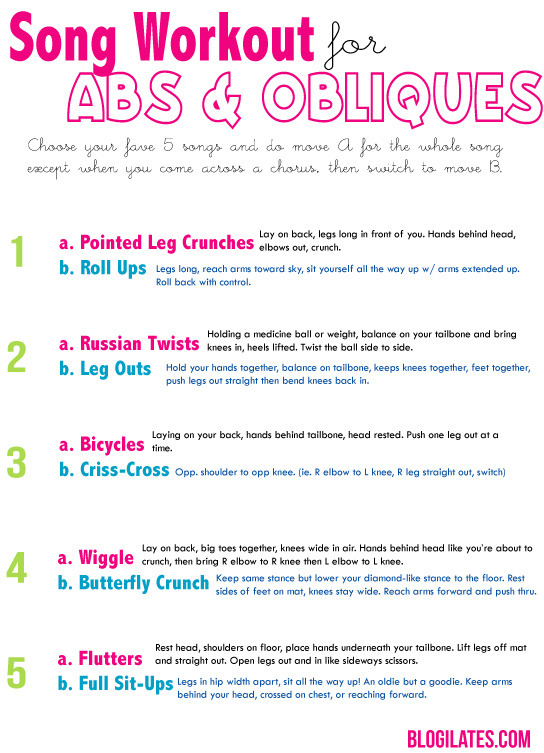
Wednesday, May 30, 2012


Saturday, May 19, 2012
You can do it at home!
One word: Plyometrics
You can do any of these at home without equipment. No excuses accepted. :)
2. Tuck Jump: Standing with the knees slightly bent, jump up as high as possible (pretend Jeremy Lin is watching!) and bring the knees in toward the chest while extending the arms straight out. Land with the knees slightly bent and quickly jump (on it) again!
3. Bear Crawl: Embrace that inner grizzly. Starting on the hands and knees, rise up onto the toes, tighten the core, and slowly reach forward with the right arm and right knee, followed by the left side. Continue the crawl for 8-10 reps (or until you scare your roommates off).
4. Plyometric Push-Up: Ready to catch some air? Start on a well-padded surface and complete a traditional push-up. Then, in an explosive motion, push up hard enough to come off the floor (and hang ten for a second!). Once back on solid ground, immediately head into the next repetition.
5. Stair Climb with Bicep Curl: Turn those stairs into a cardio machine — no magic wand necessary. Grab some dumbbells (or household objects!) and briskly walk up and down the stairway while simultaneously doing bicep curls to work the whole body.
6. Mountain Climber: Starting on your hands and knees, bring the left foot forward directly under the chest while straightening the right leg. Keeping the hands on the ground and core tight, jump and switch legs. The left leg should now be extended behind the body with the right knee forward. Next up? Everest.
7. Prone Walkout: Beginning on all fours with the core engaged, slowly walk the hands forward, staying on the toes but not moving them forward. Next, gradually walk the hands backwards to the starting position, maintain stability and balance. (This dance comes next.)
8. Burpees: One of the most effective full-body exercises around, this one starts out in a low squat position with hands on the floor. Next, kick the feet back to a push-up position, complete one push-up, then immediately return the feet to the squat position. Leap up as high as possible before squatting and moving back into the push-up portion of the show.
9. Plank: Nope, we’re (thankfully) not walking the plank. Lie face down with forearms on the floor and hands clasped. Extend the legs behind the body and rise up on the toes. Keeping the back straight, tighten the core and hold the position for 30-60 seconds (or as long as you can hang).
10. Plank-to-Push-Up: Starting in a plank position, place down one hand at a time to lift up into a push-up position, with the back straight and the core engaged. Then move one arm at a time back into the plank position (forearms on the ground). Repeat, alternating the arm that makes the first move.
12. Lunge: Stand with the hands on the hips and feet hip-width apart. Step the right leg forward and slowly lower your body until the right knee is close to or touching the floor and bent at least 90 degrees. Return to the starting position and repeat with the left leg. Try stepping back into the lunge for a different variation.
13. Clock Lunge: Time for a challenge. Complete a traditional forward lunge, then take a big step to the right and lunge again. Finish off the semicircle with a backwards lunge, then return to standing. And all that’s one rep! Aim for 10 reps and then switch legs.
14. Lunge-to-Row: Start by doing a normal lunge. Instead of bringing that forward leg back to the starting position, raise it up off the floor while lifting the arms overhead. The leg should remain bent at about 90 degrees. Add weights to really bring the heat.
15. Lunge Jump: Ready to impress some friends? Stand with the feet together and lunge forward with the right foot. Jump straight up, propelling the arms forward while keeping the elbows bent. While in the air, switch legs and land in a lunge with the opposite leg forward. Repeat and continue switching legs. Try to do 10!
16. Curtsy Lunge: Let’s show a little respect. When lunging, step the left leg back behind the right, bending the knees and lowering the hips until the right thigh is almost parallel to the floor. Remember to keep the torso upright and the hips square.
17. Squat: Stand with the feet parallel or turned out 15 degrees — whatever is most comfortable. Slowly start to crouch by bending the hips and knees until the thighs are at least parallel to the floor. Make sure the heels do not rise off the floor. Press through the heels to return to a standing position.
18. Pistol Squat: There may be no gun permit necessary for this one, but it’s still no joke. Stand holding the arms straight out in front of the body, and raise the right leg, flexing the right ankle and pushing the hips back. Then lower the body while keeping the right leg raised. Hold (have fun with that), then return to standing.
19. Squat Reach and Jump: Ready to add some pizzazz (and cardio!) to that squat? Perform a normal squat, but immediately jump up, reaching the arms straight overhead. Aim for 15 reps, taking a quick breather before the next set.
20. Chair Squat Pose: Stand with the feet hip-distance apart and squat until the thighs are parallel to the floor while swinging the arms up. Straighten the legs, then lift up the right knee while swinging the left arm outside the right knee. Return to standing and repeat on the other side.
21. Step-Up: This may be self-explanatory, but just in case — find a step or bench, and place the right foot on the elevated surface. Step up until the right leg is straight (do it for Channing!), then return to start. Repeat, aiming for 10-12 reps on each side.
22. Single Leg Deadlift: Start in a standing position with the feet together. Lift the right leg slightly, and lower the arms and torso while raising the right leg behind the body. Keep the left knee slightly bent and reach the arms as close to the floor as possible. Raise the torso while lowering the right leg. Switch legs.
23. Quadruped Leg Lift: Starting on the hands and knees, keep a flat back and engage the core. Raise the left leg straight back, stopping when the foot is hip-level and the thigh parallel to the floor. Balance for as long as possible, then raise the bottom right toe off the floor, tightening the butt, back, and abs (try to be graceful here!). Hold for up to 10 seconds, then switch legs.
24. Calf Raise: From a standing position, slowly rise up on the toes, keeping the knees straight and heels off the floor. Hold briefly, then come back down. Aaaand repeat. Try standing on something elevated (like a step) to achieve a wider range of motion.
26. Dolphin Push-Up: Start out in dolphin pose (think: down-dog with elbows on the floor). Lean forward, lowering the shoulders until the head is over the hands. Pull up the arms and return to the starting position. (No ocean necessary.)
27. Donkey Kick: It’s time to embrace that wild side. Start in a push-up position, with the legs together. Tighten the core and kick both legs into the air with knees bent, reaching the feet back toward the glutes. Just try to land gently when reversing back to the starting position.
28. Handstand Push-Up: Fair warning: This move is for the pros. Get set in a headstand position against a wall and bend the elbows at a 90-degree angle, doing an upside down push-up (so the head moves toward the floor and the legs remain against the wall). First timer? Grab a friend to spot you — safety first!
29. Judo Push-up: From a push-up position, raise up those hips and in one swift movement (Hai-yah!) use the arms to lower the front of the body until the chin comes close to the floor. Swoop the head and shoulders upward and lower the hips, keeping the knees off the ground. Reverse the move to come back to the raised-hip position. Try to repeat for 30-60 seconds.
30. Reverse Fly: For DIY dumbbells, grab two cans or bottles of water. Stand up straight, with one foot in front of the other and the front knee slightly bent. With palms facing each other and the abs engaged, bend forward slightly from the waist and extend arms out to the side, squeezing the shoulder blades. Repeat.
31. Superman: Want some superpowers? Lie face down with arms and legs extended. Keeping the torso as still as possible, simultaneously raise the arms and legs to form a small curve in the body. Cape optional.
32. Contralateral Limb Raises: Sounds fancy, huh? Here’s the breakdown: Lie on your stomach with the arms outstretched and palms facing one another. Slowly lift one arm a few inches off the floor, keeping it straight without rotating the shoulders and keeping the head and torso still. Hold the position, then lower the arm back down, moving to the other arm.
34. Diamond Push-Up: Jay-Z would approve. These push-ups get pimped out with a diamond-shaped hand position (situate them so that the thumbs and index fingers touch). This hand readjustment will give those triceps some extra (burning) love.
35. Boxer: Time to make Muhammad Ali proud. Starting with feet hip-width apart and knees bent, keep the elbows in and extend one arm forward and the other arm back. Hug the arms back in and switch arms — like you’re in the ring!
36. Shoulder Stabilization Series (I, Y, T, W O): OK, it may look crazy, but stay with us. Lie down on your stomach with arms extended overhead and palms facing each other. Move the arms into each letter formation. (Gimme a Y, you know you want to!).
37. Arm Circles: Remember P.E. class? Stand with arms extended by the sides, perpendicular to the torso. Slowly make clockwise circles for about twenty to thirty seconds (about one foot in diameter). Then reverse the movement, going counter-clockwise.
39. Rotational Push-Up: Standard push-ups not cutting it? For a variation, after coming back up into a starting push-up position, rotate the body to the right and extend the right hand overhead, forming a T with the arms and torso. Return to the starting position, do a normal push-up, then rotate to the left.
40. Dynamic Prone Plank: Starting in a standard plank position, raise the hips as high as they can go, then lower them back down. Continue this movement for as long as possible. Make sure the back stays straight and the hips don’t droop.
41. Flutter Kick: Start lying on your back with arms at your sides and palms facing down. With legs extended, lift the heels off the floor (about six inches). Make quick, small up-and-down pulses with the legs, while keeping the core engaged. Try to keep kickin’ it for a minute straight!
42. Bicycle: Lie down with knees bent and hands behind the head. With the knees in toward the chest, bring the right elbow towards the left knee as the right leg straightens. Continue alternating sides (like you’re pedaling!). Just keep the helmet in the closet.
43. Crunch: Before anyone’s crowned Cap’n Crunch, remember form is key. Lie on your back with the knees bent and feet flat on the floor. With hands behind the head, place the chin down slightly and peel the head and shoulders off the mat while engaging the core. Continue curling up until the upper back is off the mat. Hold briefly, then lower the torso back toward the mat slowly.
44. Segmental Rotation: Target those obliques. Lying on your back with your knees bent and core tight, let the knees fall gradually to the left (feeling a good stretch). Hold for five seconds, return to center, and repeat on the right side.
45. Shoulder Bridge: Lie on your back with the knees bent and feet hip-width apart. Place arms at your side and lift up the spine and hips. Only the head, feet, arms, and shoulders should be on the ground. Then lift one leg upwards, keeping the core tight. Slowly bring the leg back down, then lift back up. Try to do 10 reps per leg, then bring the knee in place and spine back on the floor.
46. Single Leg Abdominal Press: Lie on your back with the knees bent and feet on the floor. Tighten the abs and raise the right leg, with the knee and hip bent at a 90-degree angle. Push the right hand on top of the lifted knee, using the core to create pressure between the hand and knee. Hold for five counts, and then lower back down to repeat with the left hand and knee.
47. Double Leg Abdominal Press: Two legs is twice the fun. Follow the same run-down for the single leg press (above), but bring up both legs at the same time, pushing the hands against the knees.
48. Side Plank: Roll to the side and come up on one foot and elbow. Make sure the hips are lifted and the core is engaged, and hang tight for 30-60 seconds (or as long as you can stomach!).
49. Sprinter Sit-Up: Want to be a speed demon without getting off the floor? Lie on your back with the legs straight and arms by your side — elbows bent at a 90-degree angle. Now sit up, bringing the left knee toward the right elbow. Lower the body and repeat on the other side.
50. Russian Twist: Sit on the floor with knees bent and feet together, lifted a few inches off the floor. With the back at a 45-degree angle from the ground, move the arms from one side to another in a twisting motion. Here, slow and steady wins the race: The slower the twist, the deeper the burn. Feel like a fitness czar yet?
You can do any of these at home without equipment. No excuses accepted. :)
Full Body
1. Inchworm: Stand up tall with the legs straight, and do like Lil’ Jon and let those fingertips hit the floor. Keeping the legs straight (but not locked!), slowly lower the torso toward the floor, and then walk the hands forward. Once in a push-up position, start taking tiny steps so the feet meet the hands. Continue bugging out for 4-6 reps.2. Tuck Jump: Standing with the knees slightly bent, jump up as high as possible (pretend Jeremy Lin is watching!) and bring the knees in toward the chest while extending the arms straight out. Land with the knees slightly bent and quickly jump (on it) again!
3. Bear Crawl: Embrace that inner grizzly. Starting on the hands and knees, rise up onto the toes, tighten the core, and slowly reach forward with the right arm and right knee, followed by the left side. Continue the crawl for 8-10 reps (or until you scare your roommates off).
4. Plyometric Push-Up: Ready to catch some air? Start on a well-padded surface and complete a traditional push-up. Then, in an explosive motion, push up hard enough to come off the floor (and hang ten for a second!). Once back on solid ground, immediately head into the next repetition.
5. Stair Climb with Bicep Curl: Turn those stairs into a cardio machine — no magic wand necessary. Grab some dumbbells (or household objects!) and briskly walk up and down the stairway while simultaneously doing bicep curls to work the whole body.
6. Mountain Climber: Starting on your hands and knees, bring the left foot forward directly under the chest while straightening the right leg. Keeping the hands on the ground and core tight, jump and switch legs. The left leg should now be extended behind the body with the right knee forward. Next up? Everest.
7. Prone Walkout: Beginning on all fours with the core engaged, slowly walk the hands forward, staying on the toes but not moving them forward. Next, gradually walk the hands backwards to the starting position, maintain stability and balance. (This dance comes next.)
8. Burpees: One of the most effective full-body exercises around, this one starts out in a low squat position with hands on the floor. Next, kick the feet back to a push-up position, complete one push-up, then immediately return the feet to the squat position. Leap up as high as possible before squatting and moving back into the push-up portion of the show.
9. Plank: Nope, we’re (thankfully) not walking the plank. Lie face down with forearms on the floor and hands clasped. Extend the legs behind the body and rise up on the toes. Keeping the back straight, tighten the core and hold the position for 30-60 seconds (or as long as you can hang).
10. Plank-to-Push-Up: Starting in a plank position, place down one hand at a time to lift up into a push-up position, with the back straight and the core engaged. Then move one arm at a time back into the plank position (forearms on the ground). Repeat, alternating the arm that makes the first move.
Legs
11. Wall Sit: Who needs a chair when there’s a wall? Slowly slide your back down a wall until the thighs are parallel to the ground. Make sure the knees are directly above the ankles and keep the back straight. Go for 60 seconds per set (or however long it takes to turn those legs to jelly). Need more fire? Add some bicep curls.12. Lunge: Stand with the hands on the hips and feet hip-width apart. Step the right leg forward and slowly lower your body until the right knee is close to or touching the floor and bent at least 90 degrees. Return to the starting position and repeat with the left leg. Try stepping back into the lunge for a different variation.
13. Clock Lunge: Time for a challenge. Complete a traditional forward lunge, then take a big step to the right and lunge again. Finish off the semicircle with a backwards lunge, then return to standing. And all that’s one rep! Aim for 10 reps and then switch legs.
14. Lunge-to-Row: Start by doing a normal lunge. Instead of bringing that forward leg back to the starting position, raise it up off the floor while lifting the arms overhead. The leg should remain bent at about 90 degrees. Add weights to really bring the heat.
15. Lunge Jump: Ready to impress some friends? Stand with the feet together and lunge forward with the right foot. Jump straight up, propelling the arms forward while keeping the elbows bent. While in the air, switch legs and land in a lunge with the opposite leg forward. Repeat and continue switching legs. Try to do 10!
16. Curtsy Lunge: Let’s show a little respect. When lunging, step the left leg back behind the right, bending the knees and lowering the hips until the right thigh is almost parallel to the floor. Remember to keep the torso upright and the hips square.
17. Squat: Stand with the feet parallel or turned out 15 degrees — whatever is most comfortable. Slowly start to crouch by bending the hips and knees until the thighs are at least parallel to the floor. Make sure the heels do not rise off the floor. Press through the heels to return to a standing position.
18. Pistol Squat: There may be no gun permit necessary for this one, but it’s still no joke. Stand holding the arms straight out in front of the body, and raise the right leg, flexing the right ankle and pushing the hips back. Then lower the body while keeping the right leg raised. Hold (have fun with that), then return to standing.
19. Squat Reach and Jump: Ready to add some pizzazz (and cardio!) to that squat? Perform a normal squat, but immediately jump up, reaching the arms straight overhead. Aim for 15 reps, taking a quick breather before the next set.
20. Chair Squat Pose: Stand with the feet hip-distance apart and squat until the thighs are parallel to the floor while swinging the arms up. Straighten the legs, then lift up the right knee while swinging the left arm outside the right knee. Return to standing and repeat on the other side.
21. Step-Up: This may be self-explanatory, but just in case — find a step or bench, and place the right foot on the elevated surface. Step up until the right leg is straight (do it for Channing!), then return to start. Repeat, aiming for 10-12 reps on each side.
22. Single Leg Deadlift: Start in a standing position with the feet together. Lift the right leg slightly, and lower the arms and torso while raising the right leg behind the body. Keep the left knee slightly bent and reach the arms as close to the floor as possible. Raise the torso while lowering the right leg. Switch legs.
23. Quadruped Leg Lift: Starting on the hands and knees, keep a flat back and engage the core. Raise the left leg straight back, stopping when the foot is hip-level and the thigh parallel to the floor. Balance for as long as possible, then raise the bottom right toe off the floor, tightening the butt, back, and abs (try to be graceful here!). Hold for up to 10 seconds, then switch legs.
24. Calf Raise: From a standing position, slowly rise up on the toes, keeping the knees straight and heels off the floor. Hold briefly, then come back down. Aaaand repeat. Try standing on something elevated (like a step) to achieve a wider range of motion.
Chest & Back
25. Standard Push-Up: There’s a reason this one’s a classic. With hands shoulder-width apart, keep the feet flexed at hip distance, and tighten the core. Bend the elbows until the chest reaches the ground, and then push back up (make sure to keep the elbows tucked close to the body). That’s one!26. Dolphin Push-Up: Start out in dolphin pose (think: down-dog with elbows on the floor). Lean forward, lowering the shoulders until the head is over the hands. Pull up the arms and return to the starting position. (No ocean necessary.)
27. Donkey Kick: It’s time to embrace that wild side. Start in a push-up position, with the legs together. Tighten the core and kick both legs into the air with knees bent, reaching the feet back toward the glutes. Just try to land gently when reversing back to the starting position.
28. Handstand Push-Up: Fair warning: This move is for the pros. Get set in a headstand position against a wall and bend the elbows at a 90-degree angle, doing an upside down push-up (so the head moves toward the floor and the legs remain against the wall). First timer? Grab a friend to spot you — safety first!
29. Judo Push-up: From a push-up position, raise up those hips and in one swift movement (Hai-yah!) use the arms to lower the front of the body until the chin comes close to the floor. Swoop the head and shoulders upward and lower the hips, keeping the knees off the ground. Reverse the move to come back to the raised-hip position. Try to repeat for 30-60 seconds.
30. Reverse Fly: For DIY dumbbells, grab two cans or bottles of water. Stand up straight, with one foot in front of the other and the front knee slightly bent. With palms facing each other and the abs engaged, bend forward slightly from the waist and extend arms out to the side, squeezing the shoulder blades. Repeat.
31. Superman: Want some superpowers? Lie face down with arms and legs extended. Keeping the torso as still as possible, simultaneously raise the arms and legs to form a small curve in the body. Cape optional.
32. Contralateral Limb Raises: Sounds fancy, huh? Here’s the breakdown: Lie on your stomach with the arms outstretched and palms facing one another. Slowly lift one arm a few inches off the floor, keeping it straight without rotating the shoulders and keeping the head and torso still. Hold the position, then lower the arm back down, moving to the other arm.
Shoulders & Arms
33. Triceps Dip: Get seated near a step or bench. Sit on the floor with knees slightly bent, and grab the edge of the elevated surface and straighten the arms. Bend them to a 90-degree angle, and straighten again while the heels push towards the floor. For some extra fire, reach the right arm out while lifting the left leg.34. Diamond Push-Up: Jay-Z would approve. These push-ups get pimped out with a diamond-shaped hand position (situate them so that the thumbs and index fingers touch). This hand readjustment will give those triceps some extra (burning) love.
35. Boxer: Time to make Muhammad Ali proud. Starting with feet hip-width apart and knees bent, keep the elbows in and extend one arm forward and the other arm back. Hug the arms back in and switch arms — like you’re in the ring!
36. Shoulder Stabilization Series (I, Y, T, W O): OK, it may look crazy, but stay with us. Lie down on your stomach with arms extended overhead and palms facing each other. Move the arms into each letter formation. (Gimme a Y, you know you want to!).
37. Arm Circles: Remember P.E. class? Stand with arms extended by the sides, perpendicular to the torso. Slowly make clockwise circles for about twenty to thirty seconds (about one foot in diameter). Then reverse the movement, going counter-clockwise.
Core
38. L Seat: Take a load off (well not exactly). Seated with the legs extended and feet flexed, place the hands on the floor and slightly round the torso. Then, lift the hips off the ground, hold for five seconds and release. Repeat!39. Rotational Push-Up: Standard push-ups not cutting it? For a variation, after coming back up into a starting push-up position, rotate the body to the right and extend the right hand overhead, forming a T with the arms and torso. Return to the starting position, do a normal push-up, then rotate to the left.
40. Dynamic Prone Plank: Starting in a standard plank position, raise the hips as high as they can go, then lower them back down. Continue this movement for as long as possible. Make sure the back stays straight and the hips don’t droop.
41. Flutter Kick: Start lying on your back with arms at your sides and palms facing down. With legs extended, lift the heels off the floor (about six inches). Make quick, small up-and-down pulses with the legs, while keeping the core engaged. Try to keep kickin’ it for a minute straight!
42. Bicycle: Lie down with knees bent and hands behind the head. With the knees in toward the chest, bring the right elbow towards the left knee as the right leg straightens. Continue alternating sides (like you’re pedaling!). Just keep the helmet in the closet.
43. Crunch: Before anyone’s crowned Cap’n Crunch, remember form is key. Lie on your back with the knees bent and feet flat on the floor. With hands behind the head, place the chin down slightly and peel the head and shoulders off the mat while engaging the core. Continue curling up until the upper back is off the mat. Hold briefly, then lower the torso back toward the mat slowly.
44. Segmental Rotation: Target those obliques. Lying on your back with your knees bent and core tight, let the knees fall gradually to the left (feeling a good stretch). Hold for five seconds, return to center, and repeat on the right side.
45. Shoulder Bridge: Lie on your back with the knees bent and feet hip-width apart. Place arms at your side and lift up the spine and hips. Only the head, feet, arms, and shoulders should be on the ground. Then lift one leg upwards, keeping the core tight. Slowly bring the leg back down, then lift back up. Try to do 10 reps per leg, then bring the knee in place and spine back on the floor.
46. Single Leg Abdominal Press: Lie on your back with the knees bent and feet on the floor. Tighten the abs and raise the right leg, with the knee and hip bent at a 90-degree angle. Push the right hand on top of the lifted knee, using the core to create pressure between the hand and knee. Hold for five counts, and then lower back down to repeat with the left hand and knee.
47. Double Leg Abdominal Press: Two legs is twice the fun. Follow the same run-down for the single leg press (above), but bring up both legs at the same time, pushing the hands against the knees.
48. Side Plank: Roll to the side and come up on one foot and elbow. Make sure the hips are lifted and the core is engaged, and hang tight for 30-60 seconds (or as long as you can stomach!).
49. Sprinter Sit-Up: Want to be a speed demon without getting off the floor? Lie on your back with the legs straight and arms by your side — elbows bent at a 90-degree angle. Now sit up, bringing the left knee toward the right elbow. Lower the body and repeat on the other side.
50. Russian Twist: Sit on the floor with knees bent and feet together, lifted a few inches off the floor. With the back at a 45-degree angle from the ground, move the arms from one side to another in a twisting motion. Here, slow and steady wins the race: The slower the twist, the deeper the burn. Feel like a fitness czar yet?
Thursday, May 17, 2012
Full body vs Split Routine
Anyone else ever wonder which is better: full body workout or split routines? I found this article helpful.
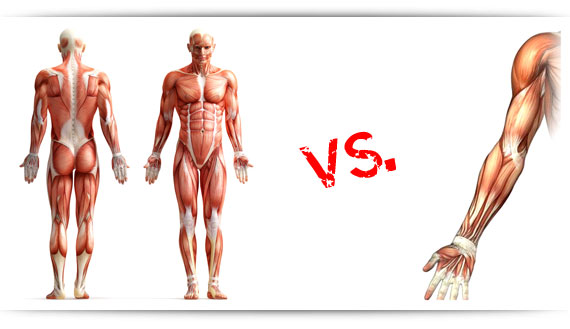
I’ve spent more time than I would care to admit pondering this question and I’ve spent years of my life experimenting with various full body workouts and split routines.
I understand how confusing and frustrating this question can be. For example, tons of smart trainers I know who have great physiques focus their strength training workouts on split routines. But yet they train every one of their clients with full body workouts!
Why the contradiction?
Just so we’re on the same page, a full body workout means you are exercising your entire body with all muscles being stimulated in one workout, where as a split routine (aka training split, or body part split) you separate your muscle groups, or movement patterns on different days. For example, if you are working out 3 days in a week, you can complete chest and back exercises on one day, legs on another day, and shoulders and arms on the third day, which is a type of body part split.
The following will teach you about the pros and cons of full body workouts and split routines so you can decide which type of routine is right for you.
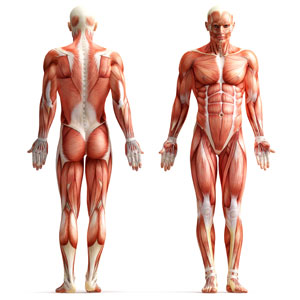
Balanced Body – You will be able to build a well balanced body by hitting all muscle groups in one workout, which is more natural and more closely mimics real life. Many physiologists think of the body as one muscle because all muscles are connected to each other, so splitting up the body each workout may not make functional sense.
Miss A Workout, No Biggie – If you normally workout 2x per week and you happen to miss a workout, you have already worked out all your muscle groups with just one workout. Not a big deal.
Maximize Calorie Burn & Fat Loss – When someone has 30lb to lose, I like to keep them on their feet with their legs moving, so full body workouts can work very well. Most smart trainers out there train their overweight clients with full body workouts 2-3x per week. Regarding muscle building, a full body workout can debatably create a more powerful hormonal response to help build muscle, but it’s harder to fully stimulate a muscle with sufficient volume to spur growth.
Can’t Focus On A Given Muscle Group – It’s hard to hit a given muscle group very intensely, especially legs because the intensity can be too tough to handle along with the lengthy recovery time after a workout.
Can Lead To Overtraining – If you like lifting weights 3x per week, doing full body workouts each workout can lead to overtraining if not structured properly. Hitting each muscle group too hard will likely cause an overtraining response. A muscle that has been worked with heavy weights thoroughly (6-9+ sets) can take a good 5-6 days to recover.
If you really want to do full body workouts 3 or more times per week, you need to change up the movement patterns, lift lighter weights and do circuits, and/or take down the number of sets per muscle group.
Intensity Can Be Hard To Handle – Intensity of full body workouts multiple times per week can be tough to sustain, especially as you become more advanced and start lifting serious weight. In his prime, Arnold Schwarzenegger tried High Intensity Training (HIT), which is a very intense type of full body workout. He said he would rather retire to Austria and become a ski instructor than do those workouts. I can’t blame him.
Cardio Fanatic- If you love doing cardio, but hate strength training, definitely do full body workouts, preferably circuit training workouts. Just a couple times per week will go A LONG way.
Beginner – If you are a beginner, stick to full body workouts. I also like full body workouts for older adults (my dad who is 65 years old does 2 full body workouts per week and it’s worked GREAT for him).
Intermittent Exerciser – If you are strength training 1-2x per week, you should strongly consider full body workouts, or an upper body/lower body split.
Enjoy Metabolically Intense Workouts – If you are more advanced (i.e. lift very heavy) but love pushing yourself to the max every workout and maximizing calorie burn, full body workouts will do the trick. 
Superior For Body Shaping – You have more control over the targeted development of your physique. So if you want to spend a little extra time on increasing the width of your shoulders, then you can do that. To my knowledge, there are only a handful of natural bodybuilders and fitness models who do full body workouts consistently, while the vast majority use some type of training split.
Very Manageable/Easier – Lifting weights should never be easy, but if you like lifting heavy, it’s more manageable if you are only focusing on 2-3 muscle groups at a time, or less. It’s less metabolically challenging.
Easy to Switch Up Workouts – Switching up your workout routine can be as easy as changing your body part split so you focus on different body parts on different days (which is what I’ve been doing as of recent), or simply substituting different exercises for a given split.
Less Overall Calorie Burn – If you are doing an arm workout, the calorie burn will be less than a full body workout. There are ways as I describe in my Get Lean Guide for making a body part focused workout more efficient to help burn a lot more calories, but on average, full body workouts burn more calories, sometimes a lot more.
Muscle & Strength Imbalances – Ever see the guy who has arms that are 4x as big as his calves? My guess is that guy is not doing full body workouts, but a body part split routine. If your workout routine is not structured properly, it’s pretty easy to overdevelop certain muscle groups at the expense of others and develop muscle imbalances from both from an aesthetic and strength perspective.
Can’t Skip A Workout – Well you can skip a workout, but it’s problematic. With most training split routines, you are going to hit each muscle group once per week, so if you miss a workout, two weeks will go by before you hit that muscle group again.
Fitness Model/Bodybuilder – If you like (1) lifting heavy, (2) hitting a muscle hard while (3) having great control over shaping of your body, then do split routines, or training splits.
Advanced Lifter – If you’ve been lifting for a long time and religiously hit the gym, or lift weights at home 3-5x per week, then stick with split routines. I don’t see any reason to change as long as you are hitting your legs and core on one of those days AND you have your nutrition under control. If you have over 20% body fat, you should seriously consider full body workouts to help maximize calorie burn.
Get Nauseous Easily With Full Body – Some people after a full body workout will get nauseous, their lips will turn white, and they will want to hurl. This can happen if someone is out of cardiovascular/lifting shape, but it also happens to some people who can’t handle the metabolic intensity of a full body workout. I think it’s a genetic thing, like how some people have cast iron stomachs and can eat anything without getting sick. This is a very important factor for deciding whether to do full body workouts, or split routines.
At the end of the day, like most of these intractable fitness questions, a full body workout vs. split routine really depends on your goals and what you enjoy. We’re all different. You can effectively build muscle, or lose fat with both types of workouts if you train hard, have a sensible routine, and focus on nutrition.
http://www.builtlean.com/2011/09/15/full-body-workout-vs-split-routine-which-is-better/
Full Body Workout Vs. Split Routine: Which Is Better?
I’ve spent more time than I would care to admit pondering this question and I’ve spent years of my life experimenting with various full body workouts and split routines.
I understand how confusing and frustrating this question can be. For example, tons of smart trainers I know who have great physiques focus their strength training workouts on split routines. But yet they train every one of their clients with full body workouts!
Why the contradiction?
Just so we’re on the same page, a full body workout means you are exercising your entire body with all muscles being stimulated in one workout, where as a split routine (aka training split, or body part split) you separate your muscle groups, or movement patterns on different days. For example, if you are working out 3 days in a week, you can complete chest and back exercises on one day, legs on another day, and shoulders and arms on the third day, which is a type of body part split.
The following will teach you about the pros and cons of full body workouts and split routines so you can decide which type of routine is right for you.
Full Body Workout: Pros & Cons
Pros
Cons
Who should do a Full Body Workout?
Body Part Split Routine: Pros & Cons
Pros
Cons
Who should use a Split Routine?
What about a hybrid training split that focuses on a split routine, but adds a few full body exercises and metabolic circuits into each workout?
Well, that’s along the lines of what I did with the BuiltLean Program and how I personally workout. Intuitively, you want to maximize calorie burn while keeping muscle mass and creating a favorable hormonal response, so the first month of the BuiltLean Program starts off using full body workouts 2x per week with 1 day as a modified split, then the second month switches to a split routine 3x per week with some full body exercises thrown in to maximize calorie burn.
I did this because shifting from full body to split routines allows for a great progression, changes up the workouts, and I wanted you to try both styles to see which one you like more so you can sustain the workouts for the long haul.At the end of the day, like most of these intractable fitness questions, a full body workout vs. split routine really depends on your goals and what you enjoy. We’re all different. You can effectively build muscle, or lose fat with both types of workouts if you train hard, have a sensible routine, and focus on nutrition.
http://www.builtlean.com/2011/09/15/full-body-workout-vs-split-routine-which-is-better/
A month full of abs.
February is over but I think I'll try this for April. Sounds good. Anyone else want to give it a go?

Monday, May 14, 2012
Eat your vegetables.
Who knew Bon Appetit Magazine would inspire my latest post? Yeah, exactly. But as I was scanning recipes for something new and interesting I found an article about athletic performance.
According to the article Beet Juice is the latest tactic used by athletes to increase endurance. The high nitrate concentration in beets dilates blood vessels allowing for better profusion of oxygen and nutrients to the tissues. Essentially, it increases oxygenation of our muscle tissues extending the time before our muscles fatigue.
Well, I love beets so this is good news for me.
Here's the article if you're interested: http://www.outsideonline.com/fitness/nutrition/Never-Miss-a-Beet.html
According to the article Beet Juice is the latest tactic used by athletes to increase endurance. The high nitrate concentration in beets dilates blood vessels allowing for better profusion of oxygen and nutrients to the tissues. Essentially, it increases oxygenation of our muscle tissues extending the time before our muscles fatigue.
Well, I love beets so this is good news for me.
Here's the article if you're interested: http://www.outsideonline.com/fitness/nutrition/Never-Miss-a-Beet.html
Friday, May 4, 2012


Thursday, April 19, 2012
Dream Board.
Ever heard of a dream board?


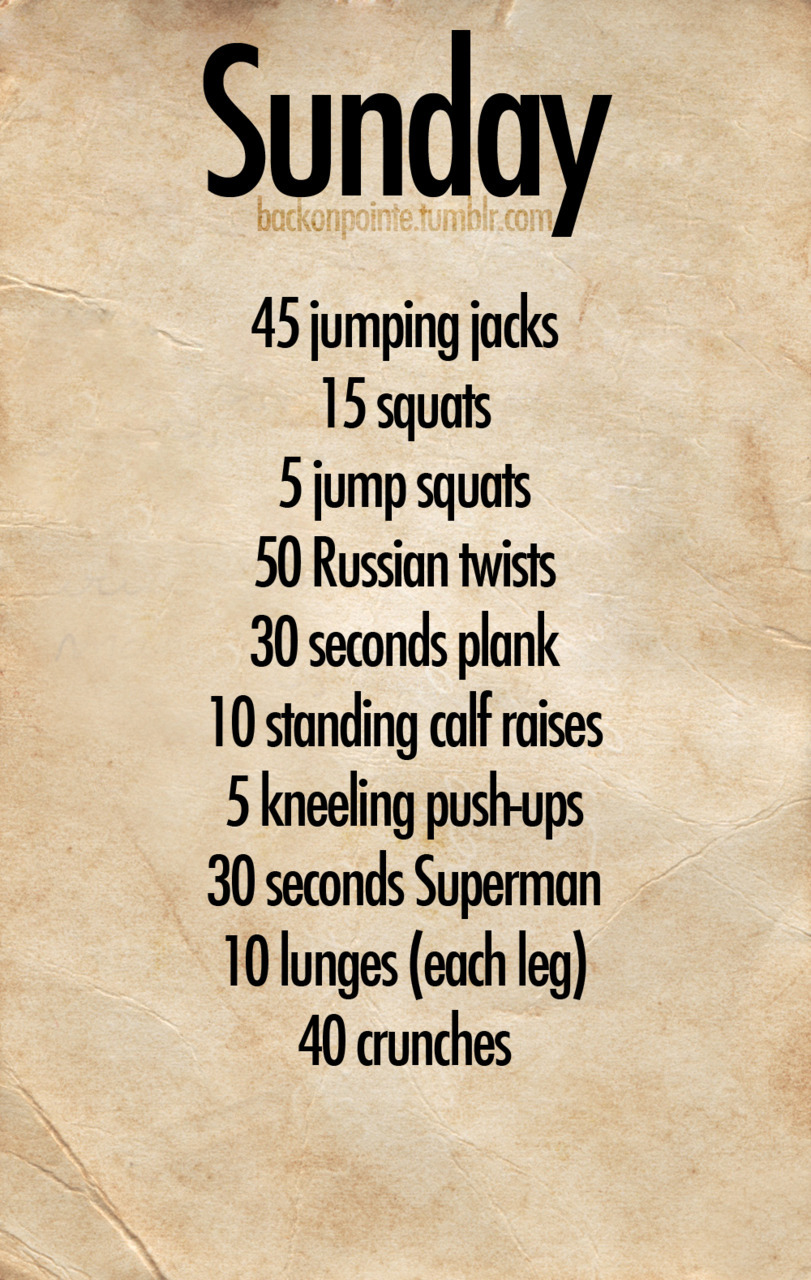


Basically, it's a visual of everything you want to be or do. Sometimes we need a little help turning a dream into a reality. Here's my fitness version.
Subscribe to:
Posts (Atom)